
Crate Training
This is entirely your decision. Here are some tips to remember if you choose to crate train:
- Avoid using the crate as a negative space. If your dog does something undesirable, such as toileting in the house, do not send your puppy to its crate as a form of punishment. This is negative reinforcement, which we do not recommend.
- Use the crate for positive reinforcement. Encourage your dog to enter the crate by offering food, favourite toys, or treats. This helps your puppy associate the crate with enjoyable experiences.
- Building a positive bond with the crate. If you want your dog to sleep in the crate at night or stay in it when you are not home, it is essential to create a positive connection. Start with the door open, allowing the puppy to enter and exit freely. Place Kong toys, treats, and blankets inside to make it a comfortable and inviting space.

Toilet training
Toilet training takes time and does not happen overnight. Top tips include:
-
Keep a diary. Note the times your puppy usually goes to the toilet. If you notice a pattern, try taking your puppy outside at those times.
-
Use rewards. Have treats ready when your puppy toilets outside. Praise them enthusiastically – this helps your puppy associate going outside with positive reinforcement.
-
Take your puppy out after naps. Puppies often need to toilet immediately after waking, so make this a regular habit.
-
Handle accidents calmly. If your puppy has an accident indoors, do not shout or use negative reinforcement. This can harm the bond between you and your puppy. Instead, ignore the accident and continue encouraging them to go outside, rewarding successful toileting.
-
Clean effectively. When cleaning urine indoors, use a non-biological laundry detergent. These do not contain ammonia, which other cleaners have; ammonia can encourage puppies to toilet indoors if they detect the scent.

Muzzle training
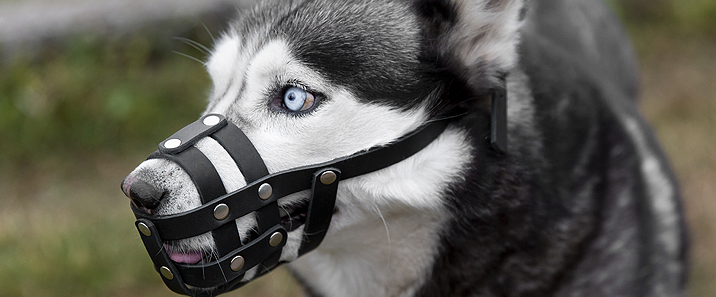
- Muzzle training is not just for aggressive dogs. It is also useful for dogs that may scavenge on walks. A muzzle can prevent your dog from eating harmful items, which could make them ill or even require surgery.
- Muzzle training takes time – be patient and focus on making the muzzle a positive experience rather than a negative one.
- We offer free one-to-one muzzle training clinics with our veterinary nurses, Jess and Chloe.
- We recommend using a Baskerville muzzle, as it allows your dog to pant and breathe freely while keeping them safe.
Rewards and motivation
- We recommend finding your dog’s high-value reward – this could be food, a favourite toy, or praise and affection.
- Try the muffin tray method: place small samples of different treats into each section of a muffin tray – for example, pieces of chicken, dog treats, carrot, hot dog, or kibble. The treat your dog goes to first is usually their high-value reward. If your dog tips the tray over and eats everything without preference, you’ll know they are highly food-motivated!
- If your dog is more toy-driven, empty their toy box onto the floor. The first toy they choose will likely be their high-value toy.

Separation anxiety
- Separation anxietycan often be prevented by starting training as soon as you bring your puppy home. Begin by leaving your puppy in a safe, secure room – one where they can’t access anything they shouldn’t – for just a few seconds. Gradually increase this to minutes, and eventually to longer periods of time.
- Keep in mind that young puppies need to toilet more frequently, so establishing a routine early on is key to preventing accidents indoors.
- Provide your puppy with mental stimulation to prevent boredom while you’re away. This could include a snuffle mat filled with kibble or a KONG toy packed with treats to keep them occupied.
- Leaving a radio on can also help, as background noise may make your puppy feel less alone.
- Consider using species-specific diffusers, such as Adaptil, which release calming pheromones similar to those produced naturally by a mother dog to comfort her litter.
- If you feel you’ve tried everything to manage separation anxiety without success, please book an appointment with one of our vets. They can discuss further options, including medications specifically designed to help with separation anxiety.